Warning Light Interpretation
Diagnostics can help identify issues indicated by dashboard warning lights or error messages.

DiagnoAuto reads fault codes and checks vehicle systems when warning indicators appear or engine errors are detected. Results are passed to the driver as information for making repair decisions, without implying specific outcomes.
Request Diagnostics
DiagnoAuto performs computer diagnostics for cars in the UK. The process begins with diagnostic tools, which read fault codes stored in the vehicle’s control units. Our technicians then check the electronic systems related to those codes. The results are compiled and passed to you for review, so you can see the reported errors and system data. This is an informational service only, not a professional recommendation. Any subsequent maintenance or repair choices remain yours, and actual outcomes depend on multiple external factors.
Computer diagnostics is a structured method for gathering information about a vehicle's condition through its electronic systems. Modern cars rely on onboard diagnostic (OBD) systems that continuously monitor components such as the engine, emissions controls and sensors. When a parameter falls outside a defined range, the system stores a fault code in the vehicle's memory. Reading these codes with diagnostic equipment provides a starting point, though a code indicates which system logged the event rather than confirming a specific fault. Technicians then carry out system checks — reviewing live sensor data and testing related circuits — to build a fuller picture. At DiagnoAuto, the findings, including stored codes and test readings, are documented and passed to the client, who decides together with their repairer what steps to take next. Results depend on the vehicle's condition, its systems and the fault present, so interpretations are always contextual.
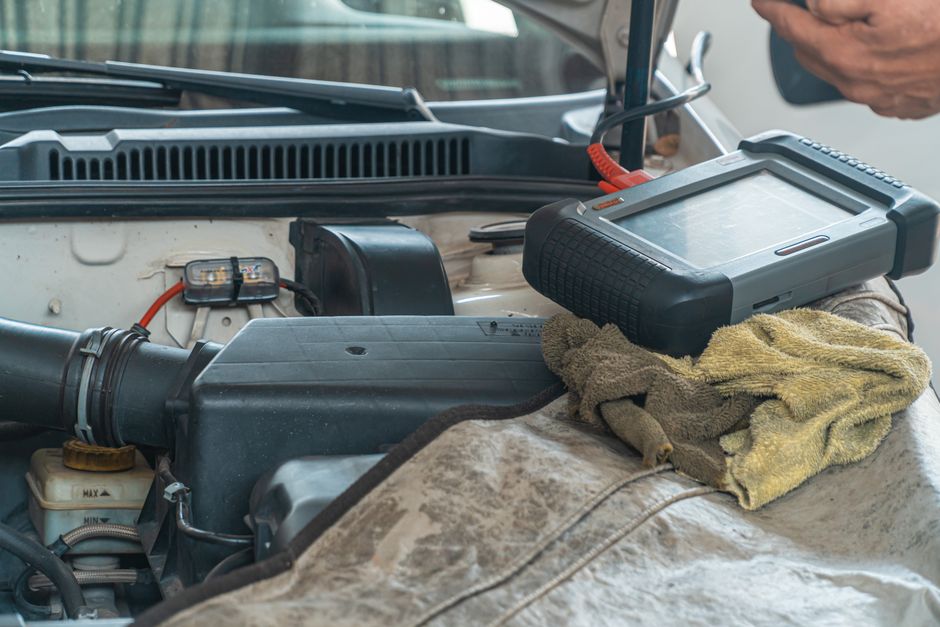
Diagnostics can help identify issues indicated by dashboard warning lights or error messages.
Each diagnostic follows a structured sequence to read fault codes and check relevant vehicle systems.
Fault codes are retrieved from the vehicle's electronic control units for interpretation.
Diagnostic results are clearly explained to you, providing information for repair decisions.
The diagnostic process was clearly explained step by step. I received a detailed report of fault codes and system checks, which helped me discuss repair options with my mechanic.
DiagnoAuto's technician was professional and thorough. The results were presented clearly, without pressure, allowing me to make an informed decision about the next steps for my vehicle.
I appreciated the transparent approach. The diagnostic information was easy to understand, and the technician answered my questions. Experiences may vary, but mine was positive.

DiagnoAuto follows a structured methodology for vehicle diagnostics, using appropriate diagnostic equipment to read fault codes and examine system parameters. Technicians carry out each stage in line with standard procedures, and the findings are compiled into a clear summary for the client. These results are intended only to inform decisions about possible repairs, not to prescribe a particular course of action. The interpretation and subsequent choices remain with the vehicle owner, as outcomes can differ depending on the vehicle’s condition and other factors.
Vehicle diagnostics can involve several methods—such as reading fault codes from the engine control unit, examining live sensor data in real time, and reviewing system readiness monitors. Which of these are appropriate depends on your vehicle and the issue. At DiagnoAuto, we first confirm the range of checks before any work starts. Rather than a fixed routine, every diagnostic plan is tailored to the symptoms you observe. This structured method provides information about what the test unit records and helps you make an informed decision about any repair work.
Discussion of symptoms, warning indicators, and vehicle history to establish a diagnostic baseline.
Adapter linking diagnostic tools to the vehicle’s OBD port for electronic data access.
Retrieval and contextual analysis of stored fault codes to identify potential system irregularities.
Supplementary system tests followed by structured findings, noting that process variations may occur.
At DiagnoAuto, diagnostic results from your vehicle are compiled into a structured summary. We then discuss the findings with you, explaining which fault codes and system checks were recorded. You receive this information so you can consider it in consultation with your chosen repair provider. The service covers diagnostics only; it does not include repairs or recommendations for specific actions. This approach is intended to support an informed conversation about your vehicle, while decisions about any repair work remain outside our scope.
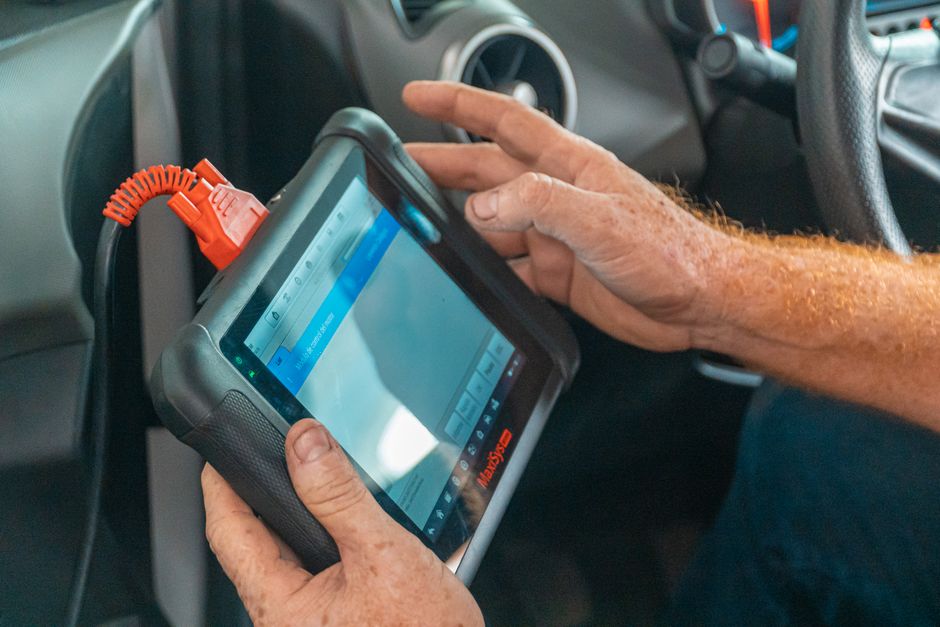
Warning indicators and error messages are signals from the vehicle's systems that may require attention. They can relate to various components and do not specify the underlying cause on their own. Diagnostic reading of fault codes and systematic checks can provide additional information about the systems involved. On the basis of that data, drivers can consult a qualified professional to discuss appropriate next steps. Indicators may stem from multiple factors, and diagnostic results form part of the basis for further decisions.

Diagnostics is an informational service focused on identifying fault codes and system status, not performing repairs.
Checks use standard diagnostic equipment to read fault codes and assess electronic systems against manufacturer specifications.
You receive a clear outline of test results and recorded faults to support further decisions.
Any subsequent repair outcomes depend on multiple factors, including fault type and overall vehicle condition.

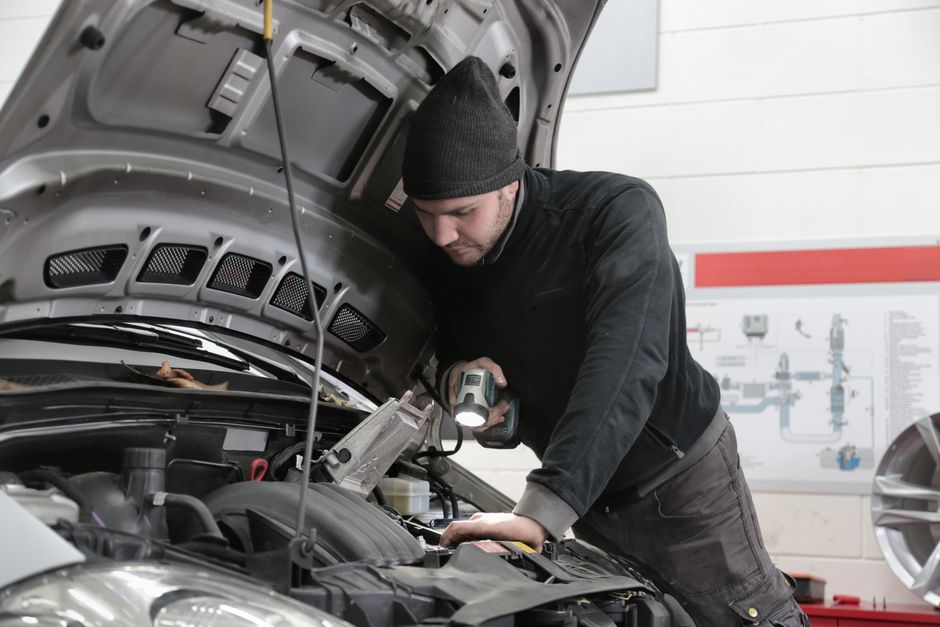


The diagnostic process can vary depending on vehicle make and model, the nature of the fault, and the diagnostic equipment used. These factors may affect the information obtained, as different systems and configurations respond differently during testing. Diagnostics capture a snapshot of system status at the time of service, so results reflect conditions present during the appointment. External factors and intermittent issues can also play a role. This context is useful when interpreting findings and planning further steps.
DiagnoAuto follows established diagnostic procedures when examining vehicle systems. The process includes reading fault codes, reviewing live data and checking relevant components against manufacturer specifications. After the assessment, clients receive a structured summary of the findings, including which systems were tested and what was observed. This information is intended to support their own decisions or discussions with a repair provider. DiagnoAuto does not guarantee specific outcomes or assume responsibility for repair decisions. The scope and relevance of diagnostic information can vary depending on vehicle condition, history and other factors.
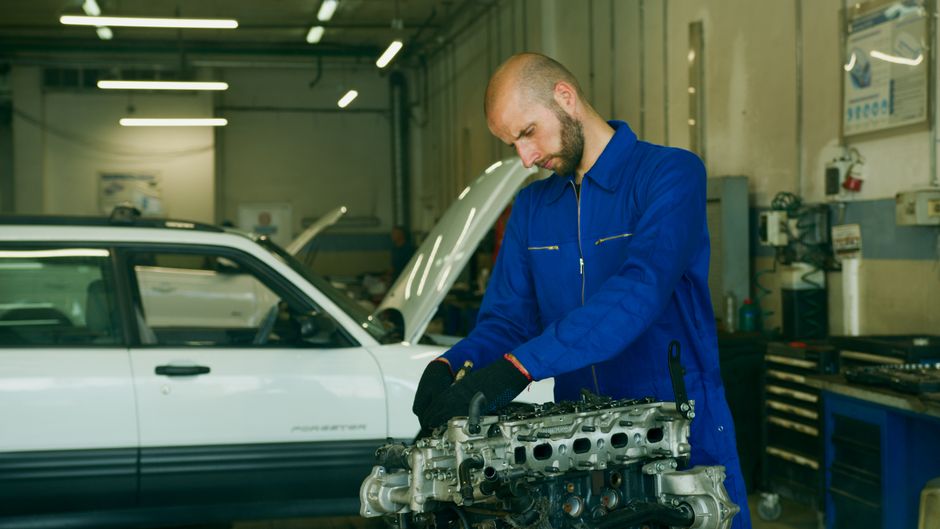
Clients book a diagnostic session via phone or online form, providing vehicle details and symptoms.
A technician performs a brief interview and visual inspection to understand the reported issues.
Using specialized equipment, the technician reads fault codes and checks relevant systems.
Findings are compiled into a report and explained to the client, who decides on further actions.
Find DiagnoAuto’s address, phone number, and email for communication. A contact form is also available, and a map shows the exact location of our facility.